

When Mint closed down, a lot of people were left without the one app they had quietly relied on for years. Intuit pointed everyone toward Credit Karma, but anyone who actually made the switch figured out pretty fast that it was built for a different job. It keeps an eye on your credit score. It does not really help you budget or understand where your money goes each month.
Two years later, people are still looking for something to fill that gap. The frustrating part is that there is no longer one app that does everything Mint did, at least not for free. The field has split into a few camps: apps that help you budget, dashboards that pull all your accounts into one place, and tools that track what you own. WealthNX AI is a newer name that tries to bring those pieces back together and add a layer of AI on top. What follows is a fair look at how it holds up against the apps most people are choosing between right now.
Start with what you actually need
It is tempting to ask “what is the best money app?”, but that question does not really have one answer. The more useful question is what you are trying to fix.
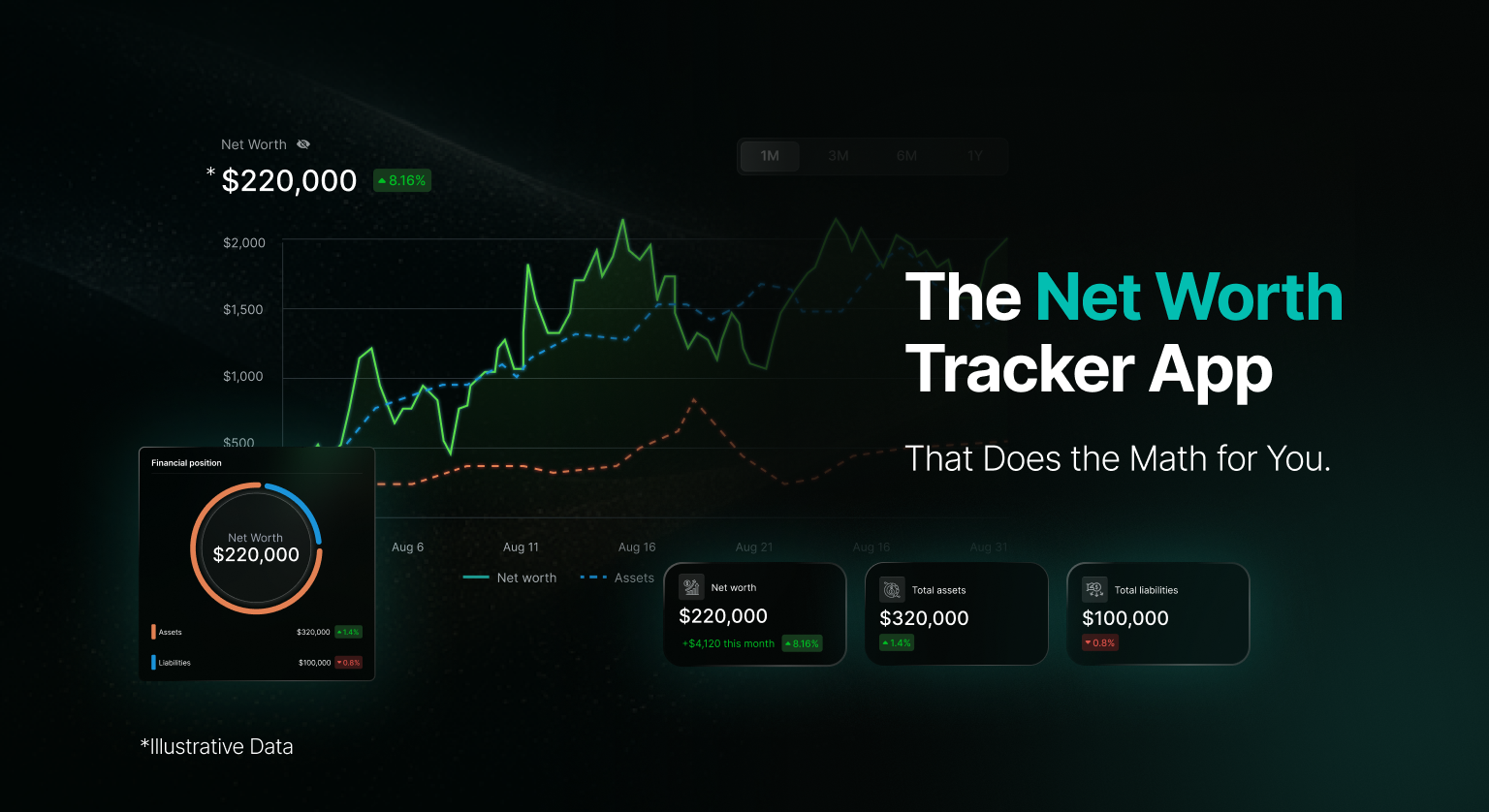
If you like to plan every dollar before you spend it, you are a budgeter, and YNAB was almost designed for your brain. If you mostly want to see all your accounts and your net worth on one screen, you want an aggregator like Monarch or Empower. If your real problem is forgotten subscriptions slowly bleeding your account dry, Rocket Money is the specialist. And if a good chunk of your money lives in stocks and crypto, you need something that genuinely tracks investments, which a surprising number of budgeting apps do not.
Once you know which of those sounds most like you, the rest of the decision gets a lot easier.
Where WealthNX fits in
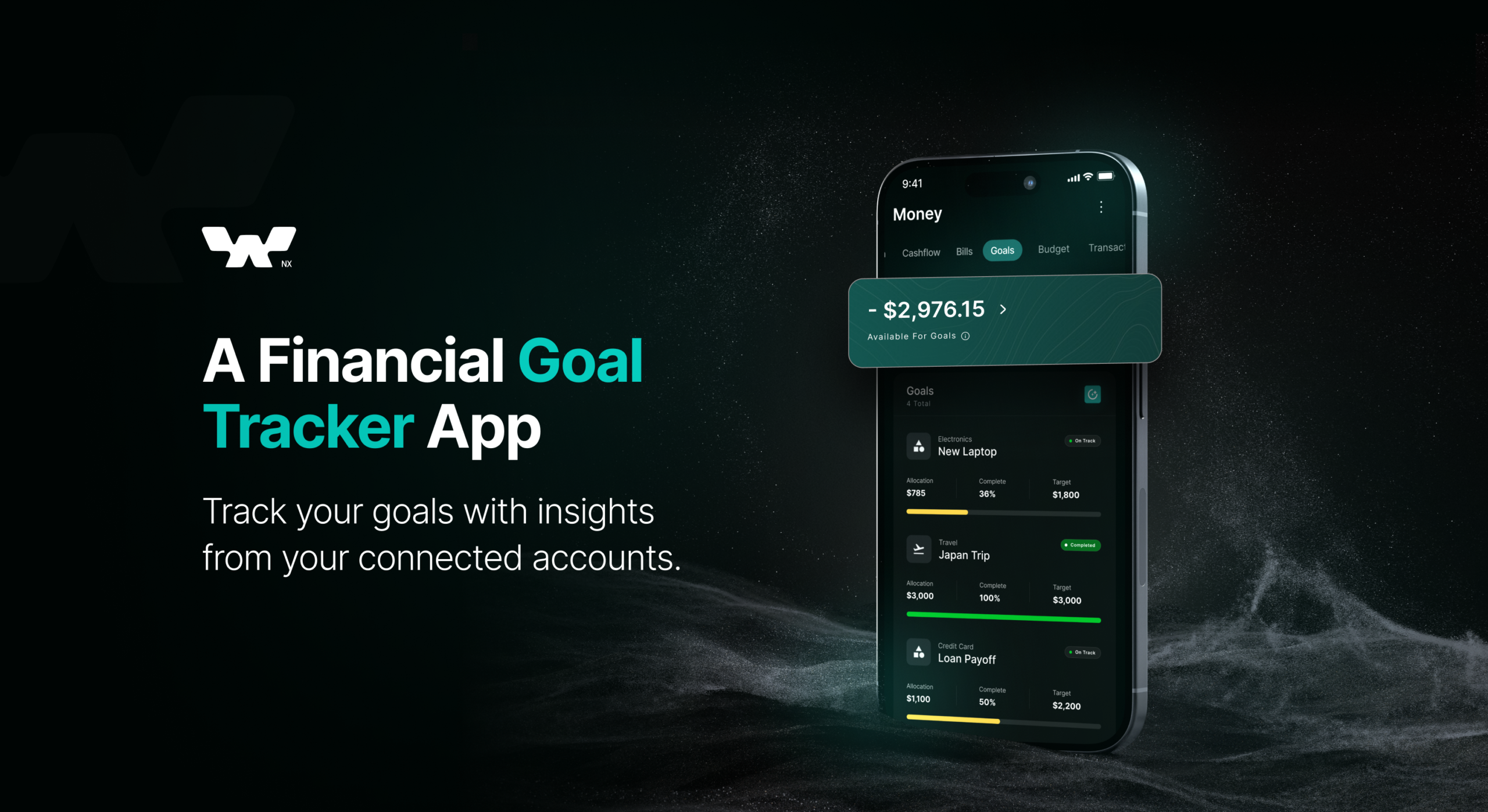
WealthNX is built on the idea that you should not have to pick a lane. It connects your bank, brokerage, retirement accounts, cards, and crypto through Plaid, the same secure service most of these apps rely on, and then puts an AI assistant called Wealth Genie on top of all of it. Instead of clicking through screens, you can just ask it something like “where am I leaking money?” or “how did my portfolio do this month?” and get a plain-English answer back.
A few things help it stand out. It is one of the only apps here that treats stocks and crypto as equal citizens, with a single portfolio view that covers both. It quietly helps users identify recurring charges, subscriptions, and changes in spending patterns. And it leans on real market data from sources like Nasdaq, Benzinga, and CoinGecko rather than rough guesses.
On price, it sits right in the normal range for this category: $12.99 a month for Basic and $22.99 for Plus, with a seven-day free trial and a discount if you pay annually.
One thing worth being upfront about: WealthNX is newer and smaller than most of the names below. The technology is ambitious, but it has not been around as long as YNAB or Empower, so it does not have the same years-long track record yet. For some people that does not matter at all. For others it does, and that is fair enough.
The short version, side by side
If you only have a minute, here is the quick comparison.
App | What it’s really for | Tracks crypto? | AI assistant? | Rough price |
WealthNX | An all-in-one picture with AI you can talk to | Yes | Yes (Wealth Genie) | $13-23/mo |
Monarch Money | Shared dashboards for couples and households | Partly | Limited | ~$15/mo |
Copilot Money | A polished experience, especially on iPhone | Yes | Some | ~$13/mo |
Empower | Investments and net worth at a glance | Partly | No | Free* |
YNAB | Strict, plan-every-dollar budgeting | No | No | ~$15/mo |
Rocket Money | Hunting down forgotten subscriptions | No | Some | Free + paid |
Credit Karma | Watching your credit score | No | No | Free |
*Empower is free to use; it makes money by offering paid advisory services. Prices for every app here are rough and change often, so check the current numbers before you commit.
An honest word on each of the alternatives
Monarch Money
Monarch has become the go-to for couples and households who want a clean, shared view of their money. It handles budgeting, net worth, and goals well, and the design is genuinely pleasant to use. It is less focused on AI and crypto, so if those are your priorities, it may feel a little thin.
Copilot Money
Copilot is a favorite among Apple users, partly because it looks beautiful and partly because its automatic categorization is smart. It tracks investments and crypto too. The main catch is that it has historically been iPhone-first, so it is a tougher sell if you live on Android.
Empower
Empower (the app many people still think of as Personal Capital) is excellent if your focus is investments and net worth. The tracking tools are free and genuinely good. Just know that the business model leans on nudging you toward its paid advisory service, so expect the occasional pitch.
YNAB
YNAB is the most opinionated app on this list, and that is a compliment. If you commit to its plan-every-dollar method, it can change how you handle money. The trade-offs are a real learning curve and no investment tracking to speak of. It is a budgeting tool, full stop, and a great one.
Rocket Money
Rocket Money earns its keep by finding subscriptions you forgot about and helping you cancel them. There is a free tier and a paid one. If your money mostly disappears into recurring charges, it is worth a look, though it is lighter on serious investment tracking.
Credit Karma
This is where Intuit sent former Mint users, and it is important to be clear about what it is: a credit-monitoring service. It will show your score and let you peek at transactions, but it does not do real budgeting. If that is all you need, it is free and fine. If you came from Mint for the budgeting, you will be disappointed.
So which one should you actually use?
Here is the version I would give a friend who asked.
- Pick YNAB if budgeting discipline is the whole point and you are willing to learn the method.
- Pick Monarch if you manage money with a partner and want a polished shared dashboard.
- Pick Empower if you mainly care about investments and net worth and can ignore the upsells.
- Pick Rocket Money if your goal is to kill off subscriptions you no longer use.
- Pick Credit Karma if you just want a free credit-score check.
- Pick WealthNX if your money is spread across spending, stocks, and crypto, and you would rather ask a question than read a chart.
That last point is really the whole pitch for WealthNX. Most of these apps hand you a dashboard and trust you to interpret it. WealthNX focuses on explaining, analyzing, interpreting, and organizing that financial information for you instead. Whether that is worth it depends on how much you enjoy reading dashboards.
A few questions people tend to ask
Is WealthNX a good replacement for Mint?
For most people, yes. It covers the budgeting, net-worth, and bill-tracking that Mint users lost, and adds investment tracking and AI on top. The difference is that it is a paid, privacy-first app rather than a free, ad-supported one.
Does it really track both stocks and crypto?
It does, and that is one of its stronger points. Both sit in a single portfolio view, with performance breakdowns and AI-generated explanations of factors that may have contributed to portfolio activity, account changes, and performance fluctuations.
Is it safe to connect my accounts?
WealthNX uses read-only access through Plaid, which means it can see your balances and transactions but cannot move your money. Data is encrypted, and the company says it does not sell your information. As always, give the privacy policy a read before you link anything.
What does it cost?
Basic is $12.99 a month and Plus is $22.99, both with a seven-day free trial. Paying yearly knocks the price down a fair bit.
The bottom line
There is no perfect money app anymore, just the right one for your situation. If you live in a spreadsheet and love it, you may not need any of these. But if your accounts are scattered across a bank, a brokerage, and a crypto wallet, and you would rather just ask where your money went, WealthNX is built for exactly that.
The easiest way to know is to try it. Connect your accounts, ask Wealth Genie a real question about your finances, and judge the insights, analysis, and informational value it provides for yourself. That five-minute test will tell you more than any comparison article, including this one.
Disclaimer
WealthNX provides informational, analytical, and organizational tools designed to help users understand financial information. WealthNX does not provide personalized investment advice, investment recommendations, portfolio management services, or investment advisory services. All investment decisions remain solely the responsibility of the user.
This article is for general information and reflects publicly available product details as of June 2026. Features and prices change often, so confirm the current details on each provider’s website. WealthNX does not provide financial advice; for guidance specific to your situation, talk to a licensed professional.