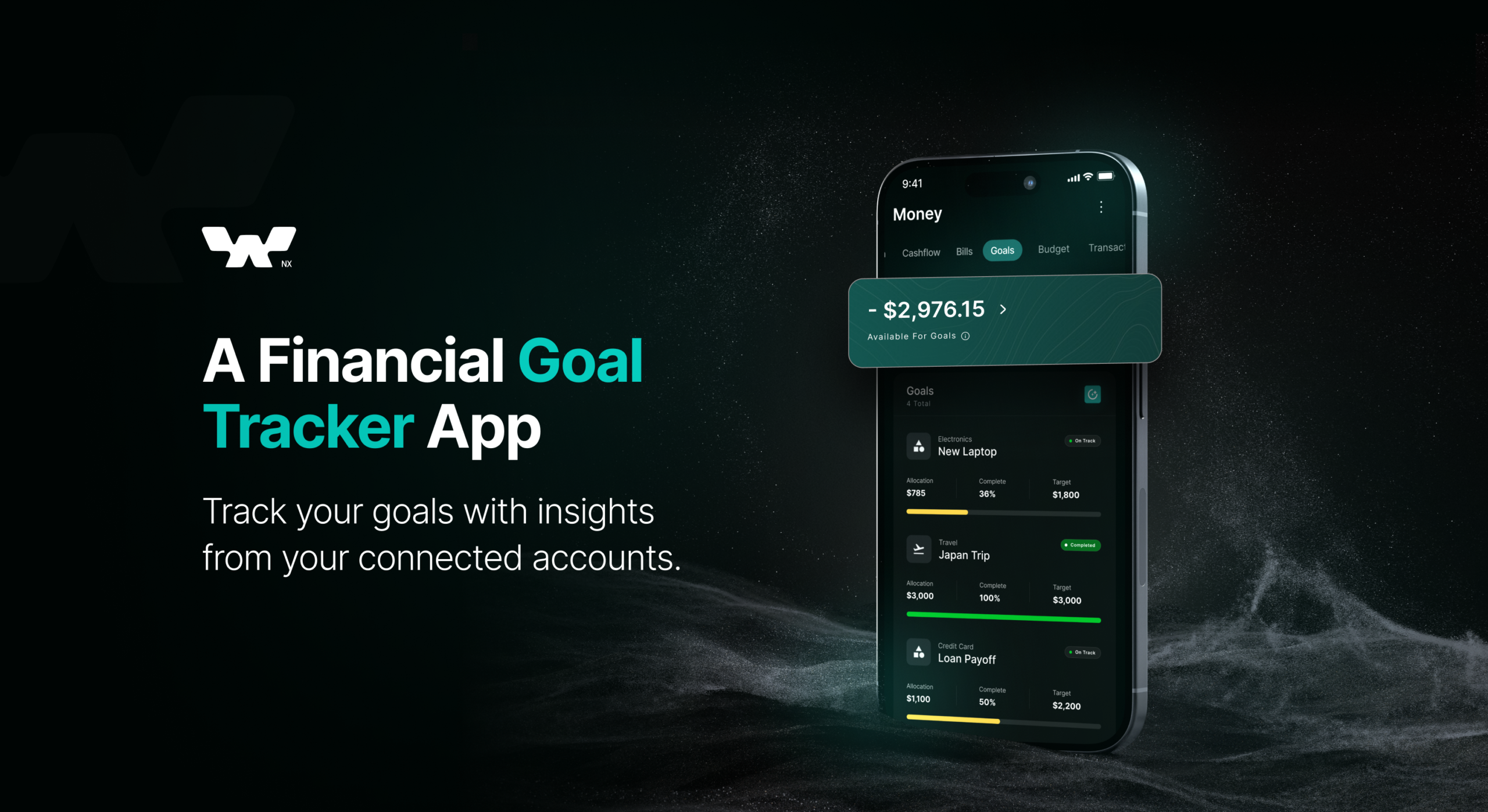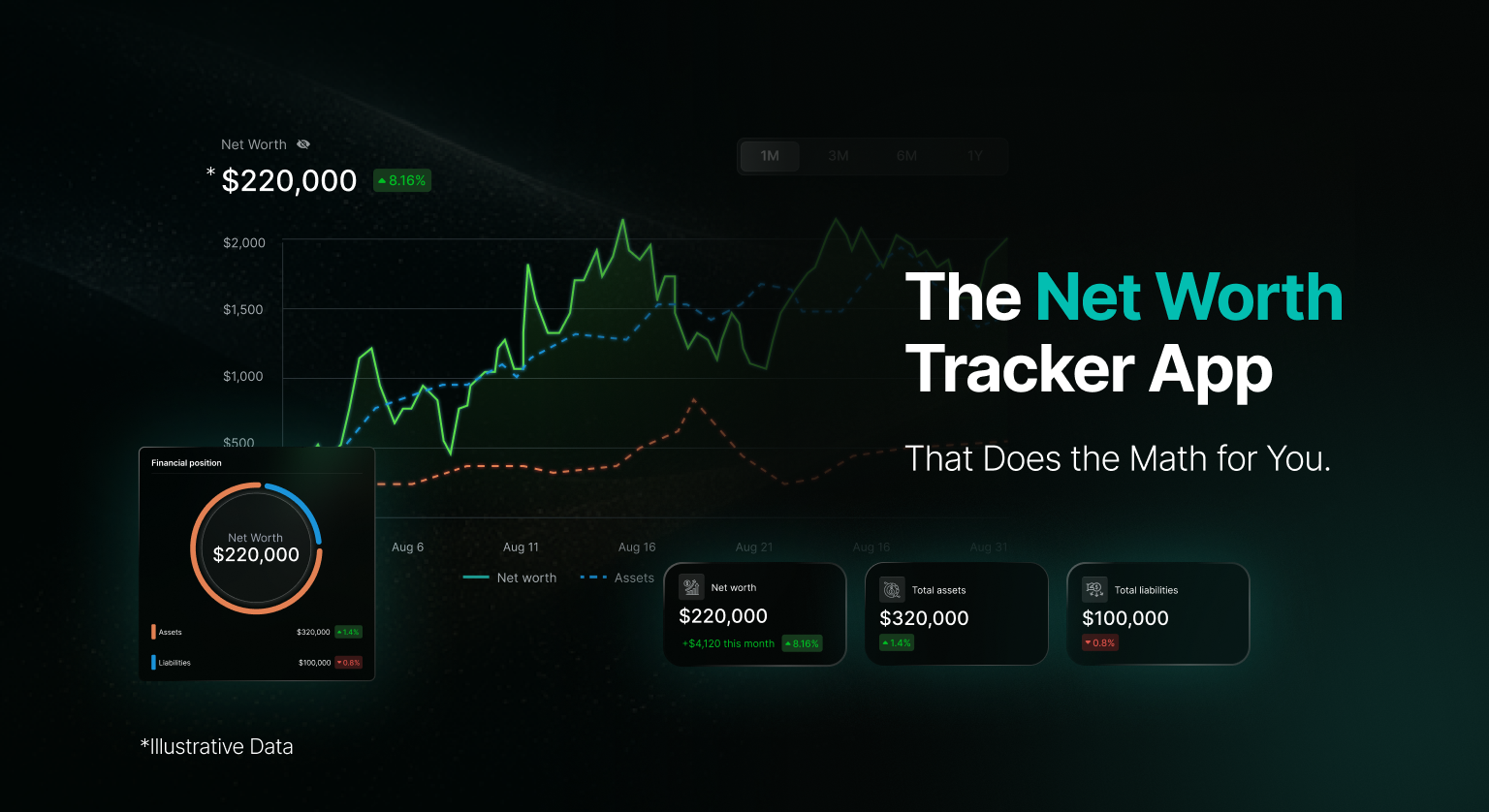


At its core, an AI portfolio tracker is a financial app that pulls all your investment accounts — stocks, ETFs, crypto, retirement funds, even cash accounts — into one place. But calling it a “tracker” undersells what the modern versions actually do.
The AI layer isn’t just cosmetic. It’s doing real work: categorizing your transactions without you lifting a finger, spotting patterns in your portfolio behavior, flagging risks you probably wouldn’t have caught, and increasingly, just answering your questions in plain language.
Think of the difference this way: a traditional portfolio tracker shows you data. An AI portfolio tracker interprets it.
How It Actually Works (Without the Jargon)
1. It Connects to Your Accounts Automatically
The foundation of any good tracker is what’s called account aggregation — and in practice, it works through services like Plaid, which acts as a secure bridge between the app and your financial institutions.
When you connect your Chase checking account or your Coinbase wallet, Plaid authenticates your credentials in an encrypted environment and pulls back read-only data. The app never sees your login password. It gets a token instead — think of it like a temporary visitor badge rather than a master key.
According to Plaid’s 2024 Fintech Effect Report, over 8,000 financial apps now run on their infrastructure, serving more than 100 million consumer accounts in North America. It’s become the invisible backbone of personal finance.
2. It Categorizes Your Spending Without You
Here’s where AI earns its name. Every time a transaction hits your connected account, the model reads the merchant name, amount, time of day, and your historical context — then assigns it a category automatically.
This sounds simple. It isn’t.
A payment to “Square” could be a café, a clothing boutique, or a client invoice. A charge at “Amazon” might be a household purchase, a software subscription, or a business expense. A well-trained model can distinguish between these by looking at the full picture. The better apps also let you correct mistakes, and the model learns from those corrections — getting sharper the longer you use it.
3. It Analyzes Your Portfolio, Not Just Your Balance
Once your accounts are connected, the AI doesn’t just display your net worth — it analyzes it. A few things it can surface:.
Performance attribution — which assets are actually driving your returns, and which are just along for the ride.
Risk analysis — how volatile is your portfolio? How correlated are your holdings? If 40% of your net worth is sitting in tech stocks, a good tracker will flag that concentration before the market does.
Rebalancing alerts — if your target allocation is 60% equities and market movement has quietly pushed it to 72%, you’ll know.
Market context — live price feeds, earnings data, and macro indicators connected directly to your holdings, so the numbers make sense.
4. It Lets You Just… Ask Questions
This is the feature that separates genuinely AI-native apps from ones that just use the word “AI” in their marketing.
The newest generation of portfolio apps uses large language model infrastructure to power conversational interfaces. Instead of navigating menus and exporting reports, you type a question and get an answer.
“What were my three biggest expenses last quarter?” “How has my stock portfolio performed compared to the S&P 500 year-to-date?” “What percentage of my net worth is in crypto right now?”
The agent queries your connected data, runs the calculation, and responds in plain English. It’s the kind of thing that used to require a financial advisor — or an afternoon with a spreadsheet.
5. It Takes Security Seriously
The obvious concern: is it safe to connect all your accounts to one app?
The reputable ones take this seriously. Here’s what to look for:
Read-only connections — the app can see your data but cannot move money. Full stop.
Bank-level encryption — Plaid and similar services use 256-bit AES encryption and exchange OAuth tokens instead of storing your credentials.
Zero-knowledge architecture — some newer apps go further, processing financial data in a way that even their own servers can’t read your raw account details.
Regulatory oversight — in the US, apps that aggregate financial data fall under Consumer Financial Protection Bureau (CFPB) jurisdiction. The CFPB finalized open banking rules under Section 1033 of the Dodd-Frank Act in late 2024, giving consumers stronger legal rights over their own financial data.
Who Should Be Using One?
The honest answer: anyone managing money across more than one account.
That includes:
- The 28-year-old with a Robinhood account, a Roth IRA, and a Coinbase wallet who wants a clear picture of their actual net worth
- The freelancer who needs to separate personal spending from business expenses without hiring an accountant
- The investor with a mix of taxable and retirement accounts who’s tired of logging into four platforms to check one number
- The crypto holder who wants to see their total portfolio in one view — not just what’s on the exchange
AI portfolio trackers aren’t just for people with complex finances. They’re for anyone who’s ever felt like their money is scattered across too many places to make sense of.
What to Look for When Choosing One
Not every app that calls itself AI-powered actually delivers meaningful intelligence. Here’s a practical checklist:
Data connectivity — does it support the specific accounts you use? Brokerage coverage, crypto exchange support, and international bank connectivity vary significantly between apps.
Depth of AI — does the AI just categorize transactions, or does it generate portfolio-level insights, answer questions, and proactively surface anomalies? Ask for a demo before committing.
Privacy model — is it strictly read-only? What does the privacy policy say about selling or sharing your data with third parties? This matters more than most people think.
Platform availability — iOS, Android, and web access. If you want to check your portfolio from your laptop on a Tuesday and your phone on a Friday, the app needs to work across both.
Cost structure — many trackers offer free tiers with basic features. More sophisticated AI Assistans functionality — the conversational interface, portfolio intelligence, predictive alerts — tends to sit behind a paid subscription. Decide what level of insight you actually need before paying for more.
The Bigger Picture
Modern personal finance is fragmented by design. Banks, brokerages, crypto platforms, and retirement accounts all want you living inside their ecosystem. The result is that most people have no coherent picture of where they actually stand.
AI portfolio trackers are one of the more practical applications of AI to hit personal finance — not because they’re flashy, but because they fix a real problem that spreadsheets and browser tabs couldn’t.
The technology has matured significantly over the last few years. Plaid connectivity is now standard. Large language models have made conversational finance interfaces genuinely useful. And open banking regulation is pushing toward a future where your financial data is yours to aggregate however you choose.
If you’re still managing your portfolio across multiple tabs and updating numbers by hand, an AI-powered tracker is worth a serious look. Not because it’s trendy — but because the alternative is genuinely costing you time and clarity.
Frequently Asked Questions
Are AI portfolio trackers safe to use?
Yes—reputable apps use read-only API connections, meaning they can view your data but cannot initiate transactions. They use bank-level encryption (256-bit AES) and exchange OAuth tokens rather than storing your passwords. In the US, they’re also subject to CFPB oversight under the 2024 open banking rules.
What accounts can an AI portfolio tracker connect to?
Most connect to bank accounts, brokerage accounts (Fidelity, Schwab, Robinhood, etc.), crypto exchanges (Coinbase, Kraken, Binance), credit cards, and retirement accounts (401k, IRA). Coverage varies by app — always check before signing up.
How is an AI portfolio tracker different from a regular budgeting app?
Budgeting apps focus on spending and cash flow. AI portfolio trackers go further — they analyze your investments, calculate portfolio performance, track asset allocation, flag concentration risk, and let you ask questions about your finances in natural language.
Do I need to be a serious investor to benefit from one?
No. Anyone with money spread across more than one account — even just a checking account and a brokerage — can benefit from having a unified, intelligent view of their finances.
What does the AI actually do? Depending on the app: automatic transaction categorization, portfolio performance analysis, risk flagging, rebalancing alerts, natural language Q&A about your finances, and anomaly detection (e.g., unusual charges, portfolio drift).
Are there free AI portfolio trackers? Yes. Many offer free tiers with basic account aggregation and categorization. More advanced AI features — conversational interfaces, detailed portfolio analytics, predictive insights — typically require a paid subscription.